
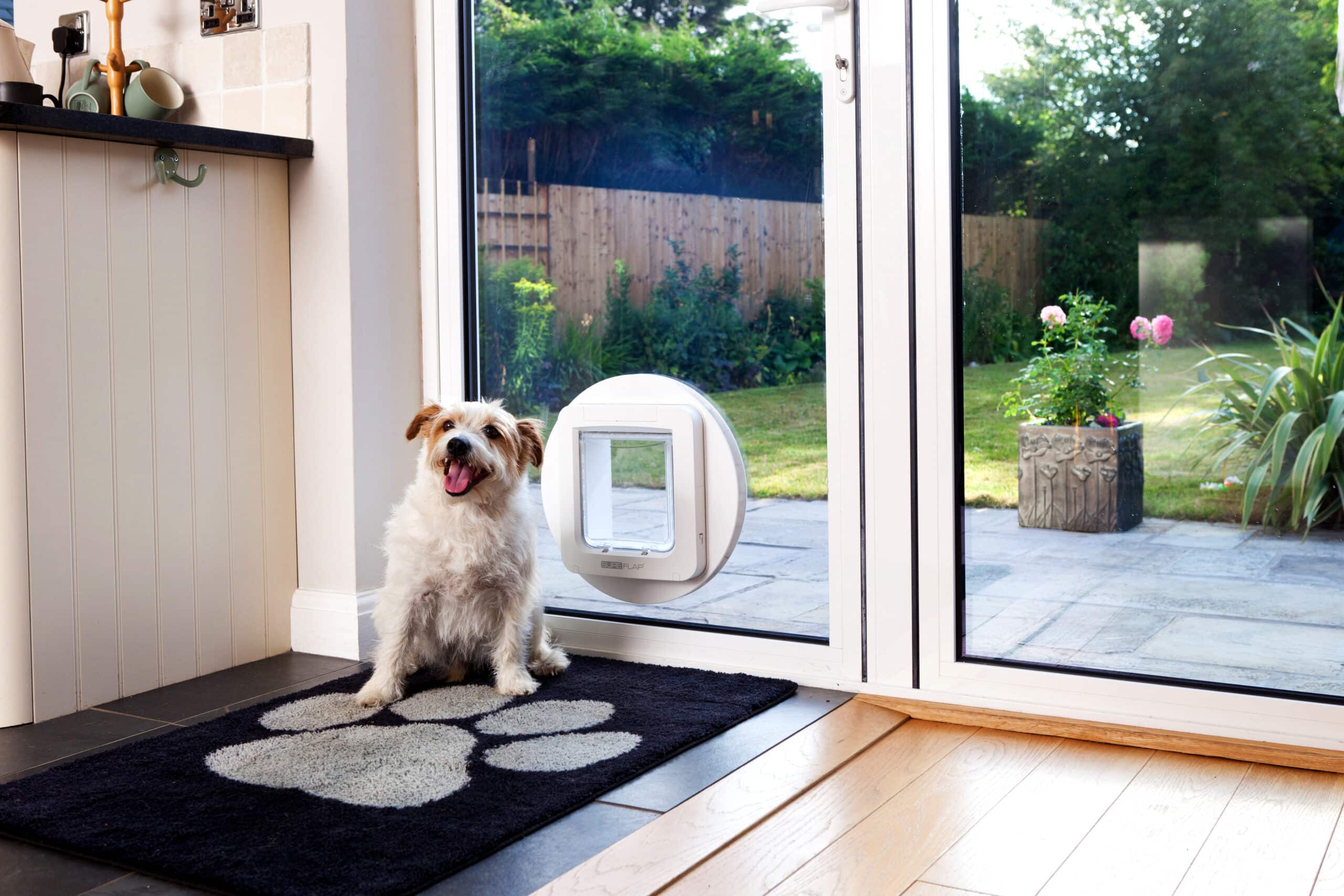
If you’re thinking about installing a pet door in your sliding door, you’re probably excited about giving your furry mate the freedom to come and go as they please. But hold your horses – there are some pretty common blunders that Aussie pet owners make when choosing the right setup. Let’s have a chat about what to avoid so you don’t end up with a costly mistake that’ll leave both you and your pet frustrated.
Getting Your Measurements All Wrong
Right off the bat, the biggest mistake we see is people eyeballing their measurements instead of getting out the tape measure. Your dog sliding door needs to fit perfectly, and “close enough” just doesn’t cut it when you’re dealing with sliding glass doors.
Here’s the thing – sliding doors aren’t all the same size, even if they look similar. Some are 2.1 metres high, others might be 2.4 metres, and the width can vary heaps too. You need to measure the exact height and width of your door frame, not just the glass panel. And don’t forget to check if your door slides left to right or right to left – it matters more than you’d think!
A mate of ours learned this the hard way when they ordered a patio pet door that was 10cm too wide. Not only did they have to return it, but they also had to wait another three weeks for the right size to arrive. Meanwhile, their golden retriever was giving them the stink eye every time it rained.
Ignoring Your Pet’s Size and Future Growth
This one’s a real doozy, especially if you’ve got a puppy or a young cat. Too many people measure their little furry friend and order accordingly, forgetting that pets grow – and sometimes they grow a lot!
If you’ve got a Great Dane puppy, that tiny pet door sliding door you’re looking at isn’t going to work in six months’ time. Similarly, if you’ve got a chunky cat who’s been enjoying a few too many treats, you might need to size up to accommodate their current… generous proportions.
The general rule of thumb is to measure your pet at its widest point (usually the shoulders for dogs) and add about 5cm for comfort. For height, measure from the ground to the top of their shoulders, not their head. Trust us, your pet will thank you for the extra wiggle room.
Choosing the Wrong Material for Aussie Weather
Australia’s weather can be pretty brutal, and your pet door for a sliding glass door needs to handle everything from scorching summers to wild winter storms. One of the biggest mistakes people make is choosing flimsy materials that won’t stand up to our climate.
Cheap plastic might seem like a bargain, but it’ll warp in the heat, crack in the cold, and probably won’t last through the first decent hailstorm. Look for materials like reinforced aluminium or high-quality composite materials that can handle temperature swings and won’t fade under our harsh UV rays.
We’ve seen plenty of pet doors that looked great when they were installed, but turned into an eyesore within twelve months because the owners went for the cheapest option. Remember, you get what you pay for, especially when it comes to outdoor installations.
Forgetting About Security
Here’s something that keeps a lot of pet owners up at night after they’ve installed their pet door – security. A dog sliding door that doesn’t lock properly is basically an open invitation for unwanted visitors, both the two-legged and four-legged variety.
Make sure whatever system you choose has a proper locking mechanism. Some of the flash models even come with microchip readers or magnetic collars, so only your registered pets can use the door. It might cost a bit more upfront, but it’s worth it for the peace of mind.
Also, think about the size of the opening. If it’s big enough for your German Shepherd, it’s probably big enough for someone with questionable intentions to squeeze through. Consider installing it in a less visible part of your home or adding extra security measures around the area.
Skimping on Weather Sealing
This is a big one, especially if you’re trying to keep your energy bills under control. A poorly sealed patio pet door is like leaving a window open 24/7 – your heating and cooling are basically working overtime for nothing.
Look for doors with multiple sealing points, brush strips, and proper gaskets. Double-glazed inserts are worth the extra investment if you live somewhere that gets properly cold in winter or sweltering hot in summer. Your electricity bill will thank you, and your home will be much more comfortable year-round.
Not Considering Multiple Pets
Got more than one furry family member? You need to think about how they’ll all use the pet door for sliding glass door. Differently sized pets might need different solutions, and some animals are more dominant than others when it comes to doorway etiquette.
If you’ve got a tiny Jack Russell and a massive Mastiff, you might need to compromise on size or consider multiple installations. Some families even opt for different types of doors – maybe a traditional flap for the small dog and a larger, more robust system for the big fella.
Rushing the Installation Process
Even if you’re handy with tools, installing a pet door sliding door isn’t always as straightforward as it looks in the YouTube videos. Sliding doors have complex mechanisms, and if you stuff up the installation, you could end up with a door that doesn’t slide properly or, worse, doesn’t lock securely.
Consider getting a professional to do the installation, especially if your sliding door is still under warranty. Many manufacturers will void the warranty if you modify the door yourself. It might cost a few extra dollars, but it’s better than having to replace the entire door system if something goes wrong.
Overlooking Your Pet’s Personality
Not every pet is a natural door user. Some cats and dogs just adopt pet doors as naturally as ducks take to water, but some require a lot of encouragement and training. If you’re considering spending a lot of money on an elaborate system, consider your pet’s temperament and willingness to try out new things first.
Older animals, especially, may be stubborn and unwilling to take to a new door. Fearful or nervous animals may find the flapping sound intimidating initially. Allow for some training time and perhaps begin with a quieter, simpler model if you have a nervous pet.
Failure to Consider Maintenance
Similar to anything else in the house, pet doors require routine maintenance in order to continue functioning properly. The flaps wear out, seals perish, and moving parts can get clogged with dirt and pet hair.
Choose a system that’s easy to clean and maintain, with readily available replacement parts. Some of the fancy electronic models are brilliant when they work, but if they break down and parts are hard to come by, you’ll be stuck.
Picking the right pet door setup doesn’t have to be a headache if you steer clear of these common mistakes. Slow down, research thoroughly, and don’t hesitate to spend the money on quality – your pet’s well-being and the security of your residence are worth it. And if you’re still in doubt, talk to the professionals who can lead you to the most suitable solution for your particular case.