
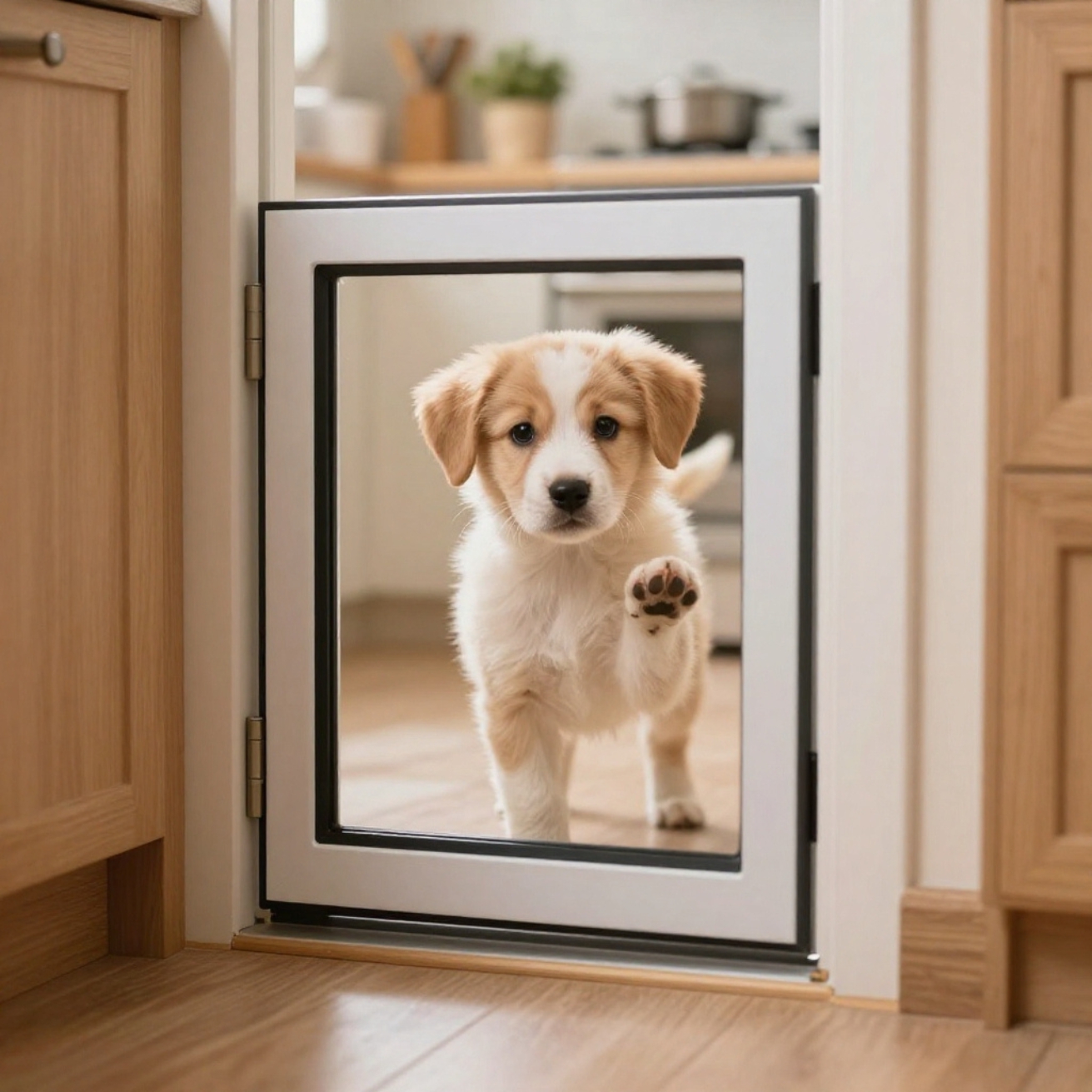
If you’re the owner of a dog, then you must understand the happiness of having a dog running around in your backyard, wagging their tail and smelling everything. However, one important point to note is that although a backyard might seem very secure to you, it can pose many dangers to your canine friend. Therefore, you need to ensure the outdoor area is as safe as possible.
At Aussie Pet Doors, we’re all about helping Aussie pet owners give their dogs the best of both worlds – independence and safety. So, whether you’ve already had a dog pet door installed or you’re thinking about making the switch, this guide will walk you through everything you need to know to set up a backyard your pup can enjoy safely, every single day.
Why Backyard Safety Matters Even More When You Have a Pet Door
A pet door is one of the best things you can give your dog – freedom, fresh air, and the ability to head outside without waiting for you to open the back door. But that independence also means your dog could be spending time in the backyard unsupervised. That’s not a problem in itself, but it does mean you need to be confident that your outdoor space is genuinely safe.
The risks of pet doors for dogs are generally quite low when everything’s set up well – but if your backyard still has hazards lurking, that freedom can quickly turn into a problem. Think toxic plants, unsecured chemicals, gaps in fencing, or even a pool without a proper barrier. When your dog can get outside on their own terms, those hazards need to be sorted before anything else.
Common Backyard Hazards for Dogs in Australia
Let’s start with the basics – what are the things most likely to cause your dog harm in a typical Aussie backyard? Here’s what to watch out for:
1. Toxic Plants
Some of the most common garden favourites are actually toxic to dogs. Azaleas, hydrangeas, daffodils, elephant ears, and anything in the lily family can cause serious harm if ingested. It’s worth doing a quick audit of your garden beds and removing or fencing off anything that could hurt your dog. When in doubt, check with your vet or look up the ASPCA’s list of toxic plants.
2. Chemicals, Pesticides and Fertilisers
Garden sheds are often full of things that are seriously dangerous for dogs – weed killers, fertilisers, snail bait, and pest sprays. Always store these in a secure shed or cabinet that your dog can’t access, and if you’re treating the lawn or garden, keep your pup inside until everything has completely dried. Snail bait in particular is one of the most common causes of dog poisoning in Australia, so be extra careful with that one.
3. Swimming Pools and Water Features
Pools are a major hazard, especially for puppies or older dogs who may struggle to climb out if they fall in. If you have a pool, it needs to be properly fenced off – full stop.
Also, keep an eye on smaller water features, such as fish ponds and standing water in buckets and containers, which can harbour bacteria and attract pests like cane toads.
4. Cane Toads, Snakes and Spiders
This one is very much an Aussie concern. Cane toads are toxic to dogs and can be fatal if licked or mouthed. Keep your lawn short, remove any debris piles where snakes might shelter, and regularly clear out low bushes or woodpiles where redback spiders like to nest. Keeping your dog’s water bowl indoors (accessed via their dog pet door) rather than outside can also help reduce the chance of cane toads getting near it.
5. Sharp Objects and Garden Tools
Rakes, shovels, garden stakes, and even weathered timber decking can all cause injuries to your dog’s paws. Store tools in a secure area, check your decking for splinters, and have a regular scan of the yard for anything your dog could step on or chew.
How to Dog-Proof Your Backyard: The Essentials
Once you know what to look out for, here’s how to actually get your backyard into shape. Think of this as your starting checklist for creating a dog-friendly backyard your pup can enjoy safely – with or without supervision.
Secure Your Fencing
A solid fence is the foundation of any safe backyard for dogs. The fence needs to be high enough that your dog can’t jump over it, with no gaps that a curious pup could squeeze through. If your dog is a digger, it’s worth extending the fencing into the ground or laying chicken wire along the base. Check the perimeter regularly for wear and tear – fences can deteriorate over time, especially after rough weather.
Provide Shade and Fresh Water
Australian summers can be brutal, and dogs can overheat very quickly. Make sure there’s always a shaded area in your backyard – whether that’s from trees, a pergola, a shade sail, or a kennel. Fresh, clean water should always be available, especially during the warmer months. A tip-proof bowl in a shaded spot is ideal.
Designate a Safe Play Area
If your backyard has garden beds, veggie patches, or other areas you’d rather keep your dog out of, use low fencing or barriers to keep those spaces separate. Give your dog their own zone with safe, pet-friendly ground cover like grass, soft mulch or pea gravel – something that’s easy on their paws and doesn’t become a chew toy.
Keep the Lawn Tidy and Pest-Free
A regularly mowed lawn does more than just look nice – it reduces hiding spots for snakes, ticks, and other pests. Remove leaf litter, wood piles and long grass where critters like to take cover. If you need to use any pest control treatments, make sure they’re pet-safe and always follow the directions carefully.
Pet Door Placement Safety: Getting It Right from the Start
Where and how your dog’s pet door is installed plays a big role in how safe and effective it is for your dog. This is where working with experienced pet door installers really makes a difference. A well-placed door should give your dog easy access to the backyard without putting them at risk – or compromising the security of your home.
Here are a few things to consider when it comes to pet door placement:
Line of sight to safe areas: Ideally, your pet door should open into a part of the yard that’s already been dog-proofed – not directly next to a pool, steep drop, or busy road-facing gate.
Avoid heat-exposed walls: In Australia’s warmer climate, placing a pet door on a north or west-facing wall can mean your dog is stepping straight into intense afternoon sun. Consider the aspect before deciding on placement.
Height matters: The door should be set at the right height for your dog’s size – not so high they’re struggling to step through, and not so low they’re crouching uncomfortably. Good pet door installers will take your dog’s measurements into account before fitting anything.
Security considerations: A larger dog pet door could potentially be a security risk if it’s not the right type. Look for doors with locking flaps or security slides so you can restrict access when needed.
Pet Doors that Offer Maximum Protection to Your Dog
Not all pet doors are created equally; some provide better protection to dogs than others. This section will highlight the important features that should be present in all such pet doors:
Locking mechanism: Any good pet door must offer a locking feature to allow the owner to lock it up for the night or even when they are out.
Weather seal: Australian weather can be unpredictable. A quality pet door will have brush seals or magnetic flaps that keep draughts, rain, and insects out – even when the flap isn’t in use.
Microchip or selective entry: If you’re in an area with cane toads, stray animals, or other wildlife, a microchip-activated dog pet door is a fantastic option. It works only for your dog, so there’s no need to worry about any unexpected visitors.
Flap material: It needs to be made of a tough material that won’t be damaged by frequent use and exposure to the sun’s rays, which is very common in Australia.
Correct dimensions for your dog: If the dimensions of the pet door are less than the body of your dog, there is a possibility that your dog gets injured while pushing to enter.
Outdoor Safety Checklist for Dogs: Quick Reference
Use this as a handy guide to tick off before giving your dog free rein via their pet door:
● Fencing is secure, with no gaps, holes, or easy escape routes.
● The swimming pool or any water feature is fenced off or inaccessible.
● Toxic plants have been removed or fenced off.
● Garden chemicals, snail bait, and fertilisers are stored securely.
● Shaded areas are available with fresh water accessible.
● The lawn is trimmed and free of debris.
● Sharp items are stored out of reach.
● Pet door flap seals properly and locks when needed.
● The pet door is correctly sized and positioned for your dog.
● A microchip door or selective-entry option is considered if wildlife is a concern.
Helping Your Dog Get Comfortable with Their New Door
Once your pet doors are installed and your backyard is sorted, the next step is helping your dog actually use the door. Most dogs pick it up pretty quickly, especially if you use treats and encouragement.
Start by propping the flap open so they can see through it, then gently guide them through with a treat on the other side. Gradually let the flap fall naturally as they get more confident. Patience is key, and most pups have it figured out within a few days.
Why Choose Aussie Pet Doors?
Since 2015, Aussie Pet Doors has been the go-to destination for Australian pet owners who want quality pet doors and genuine expertise. Our team of professional pet door installers works across Melbourne, Sydney, Brisbane, and beyond, helping families find the right door for their dog – no matter the size, breed, or home setup.
We offer a wide range of pet doors to suit glass, timber, walls, and security screens, with options including microchip-activated doors, weatherproof flaps, and custom sizing. Our pet door installers take the guesswork out of the whole process – from choosing the right door to measuring, cutting, and fitting it properly, so you can relax knowing the job’s been done right.
We’re a one-stop shop, you can also find pet accessories, feeders, fountains, toys, and more – everything you need to set up a safe, happy home for your furry family member.
FAQs
How can I make my backyard safe for dogs?
Start by checking your fencing, pulling out any toxic plants, and locking away chemicals and snail bait. Fence off the pool, make sure there’s shade and fresh water, and fit a good pet door so your dog can head in and out without any dramas.
What are common backyard hazards for dogs?
Quite a few, actually! Toxic plants, snail bait, garden chemicals, unsecured pools, cane toads, snakes, and redback spiders are the big ones here in Australia. Sharp tools left lying around and standing water in old buckets can cause trouble too. Worth doing a proper walk-around regularly.
Is a pet door safe for dogs to use unsupervised?
Go for one with a safe, hazard-free backyard and use one that locks using a flap system. The microchip-controlled variety is highly alluring.
Professional pet door installation providers always ensure a proper fit so your dog can access the door safely.
How do I prevent my dog from escaping the yard?
Make sure your fence is tall enough, has no gaps, and goes deep enough into the ground for keen diggers. Check it regularly for weak spots and make sure your gate latches are actually dog-proof. Moving any furniture or bins away from the fence line helps a lot too.
What type of fencing is best for dog safety?
Colorbond, solid timber, or chain-link all do the job well, depending on your dog’s size and energy levels. The key things are height, no gaps to squeeze through, and a bit of depth underground for dogs that love to dig. A secure latch on the gate is a must.
Which plants are toxic to dogs in backyards?
More than you’d think! Azaleas, hydrangeas, daffodils, tulips, elephant ears, and anything in the lily family are all a no-go. Wild mushrooms and some common weeds can also be harmful. Before planting anything new, do a quick check, and fence off anything dodgy that’s already in the garden.
How can I keep my dog cool in the backyard during summer?
Shade is non-negotiable in an Aussie summer – trees, shade sails, or a decent kennel all work well. Keep fresh, cool water topped up in a spot they can always reach. Try to keep them inside during the hottest part of the afternoon, and a small splash pool goes down a treat with most dogs!
How do I stop other animals from entering through a pet door?
A microchip-activated pet door is the way to go – it only opens for your dog, so cane toads, stray cats, and other unwanted visitors can’t get through. Collar-magnet versions are another solid option. Any good pet door installers can walk you through which selective-entry model suits your setup best.
What features should a safe pet door have?
You want a solid locking flap, a good weatherproof seal to keep out draughts and insects, and a tough UV-resistant flap that can handle the Aussie climate. Make sure it’s the right size for your dog too. And always have it fitted by professional pet door installers for a clean, secure result.