
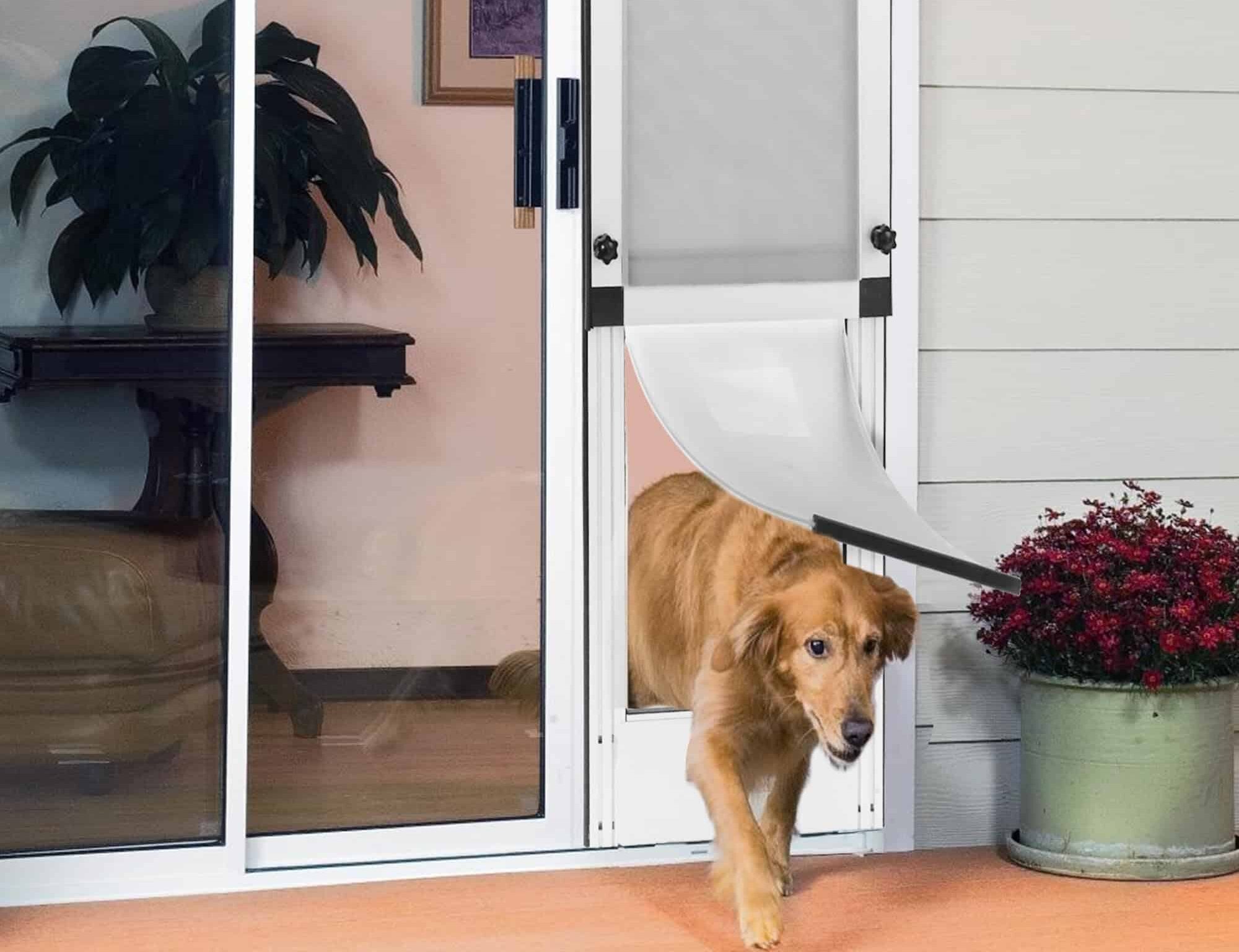
If you’ve got a dog who bolts to the back door every 10 minutes, you already know the drill. You’re halfway through your morning coffee, the footy’s on, or you’re finally getting to that pile of washing – and there they are, staring at you with those big eyes. Sound familiar? A well-fitted doggy door is one of those home upgrades that makes you wonder how you ever got by without one.
Whether your place is a classic Vic weatherboard, a suburban brick veneer, or a sleek new build with floor-to-ceiling glazing, there’s a solution out there to suit your home and your best mate. This guide walks you through everything you need to know about doggy door installation here in Australia – from choosing the right fit to getting it sorted properly.
Why Every Aussie Pup Needs a Reliable Doggy Door
To be honest, Aussie dogs are an active, outdoor-loving bunch. Whether you’ve got a boisterous Kelpie, a laid-back Golden, or a cheeky little Jack Russell who thinks he owns the place, giving your dog the freedom to come and go makes a massive difference to their quality of life. Dogs that can access the backyard whenever they like tend to get more exercise, spend less time anxiously pacing indoors, and are generally much better behaved. Less barking, less door-scratching, less furniture destruction. It’s a win all round, really.
Beyond your dog’s happiness, a well-placed doggy door takes a load off your shoulders too. No more interrupting dinner to play doorman, and no more coming home to puddles on the laundry floor because your pup couldn’t hold on any longer. For families with busy routines – school drop-offs, long commutes, shift work – the independence a doggy door provides is genuinely life-changing.
There’s also the practical matter of our climate. Australian summers are no joke, and dogs that can move between the cool of the indoors and the backyard shade at their own pace are far more comfortable during those scorching January arvo heatwaves. Some pet doors even assist with home ventilation, keeping airflow moving through the house without you having to prop open a door and invite in every mozzie in the neighbourhood.
The Rise of the Glass Door Doggie Door in Modern Homes
These days in Australia, new homes and renovations often feature large sliding glass doors, bi-folds, and floor-to-ceiling glazing. It’s a look that’s clean, bright, and very much on trend – but it does raise a question: what happens when you want to add a doggy door to a glass panel?
The good news is that a glass door doggie door is absolutely achievable, and when it’s done properly, it looks fantastic. The process involves having a glazier manufacture a brand-new glass panel with a pre-cut opening sized specifically for your pet, which is then installed in place of your existing panel. The result is seamless – no ugly frames bolted on, no awkward cuts, just a clean opening that sits flush with the rest of the door.
It’s worth noting that toughened or double-glazed glass cannot simply be cut once it’s already in place. This is one of the most common misconceptions homeowners run into, and it’s why a glass door doggie door must always be handled by a qualified professional. Attempting to cut existing toughened glass is dangerous and will almost certainly result in a shattered panel – a costly and potentially hazardous mistake. Done right, though, the in-glass option is arguably the neatest solution available, and it maintains your door’s insulation properties and aesthetic appeal.
For homes with timber doors, the installation process is a little more straightforward. A carpenter or handyperson can cut an opening in the door panel and fit a flap-style pet door relatively easily. The key here is getting the sizing right – your dog should be able to pass through comfortably at their full adult size without having to crouch uncomfortably or squeeze through.
Finding a Reliable Doggy Door Installation Expert in Australia
Not all doggy door installation jobs are created equal, and finding the right tradesperson makes all the difference between a result you’re proud of and one that leaks cold air, rattles in the wind, or – worst case – compromises your home’s security.
For timber doors, a good local carpenter is usually your best starting point. Look for someone with experience in door work and pet door fitting specifically. A quick search on platforms like HiPages or ServiceSeeking, combined with a look at local Facebook community groups (your suburb’s group is often gold for tradesperson recommendations), can point you in the right direction pretty quickly.
For glass installations, you’ll want a licensed glazier – someone who specialises in glass and can handle the custom panel manufacturing that a glass door doggie door requires. Ask them about their experience with pet door installations, whether they also provide the pet door hardware as part of their services, and always ask for a written quote before work begins.
While comparing quotes for installing a doggy door, don’t opt for the cheapest quote. Ask about the products they’re using, whether the installation comes with any kind of warranty, and how they handle weatherproofing and sealing. A well-installed door should keep the elements out just as effectively as the rest of your door – draughts, rain, and insects included. Spending a little more upfront on a quality install will save you headaches (and cold nights) down the track.
Securing Your Home
One of the most common concerns Aussie homeowners raise about fitting a doggy door is security. It’s a fair question – you’re cutting an opening in your door, after all, and the last thing you want is to create an easy entry point for unwanted visitors.
The good news is that modern pet doors are designed with security very much in mind. Most quality models come with a built-in locking panel – a solid insert that slots into the door frame when you don’t need the opening, effectively sealing it shut. These locking panels are typically made from rigid plastic or aluminium and sit flush with the door, making them difficult to tamper with from the outside. When you head out for the weekend or settle in for the night, you simply slide the panel in, and your door is as secure as it was before installation.
For homes with security screens – which are enormously popular across Victoria, particularly in areas where warm-weather ventilation matters – integration is another key consideration. Security screen doors can generally accommodate a pet door, but it’s important to use a product specifically designed for the job. A quality security screen pet door insert will maintain the structural integrity of the mesh and frame, rather than weakening it with a poorly cut opening. Your installer should be familiar with the relevant products and able to advise you on the best fit for your existing screen setup.
If your home is in a neighbourhood where you feel a bit more cautious, there are also microchip-activated pet doors available on the market. These clever units only unlock when they detect your pet’s microchip – so even if someone were to reach through the flap, they couldn’t trigger the door to open from the outside. It’s a particularly handy option for homes with cat doors, where the smaller opening might otherwise be a concern.
Ultimately, the key to keeping your property secure while giving your dog the freedom they deserve comes down to choosing a quality product, having it professionally installed, and making use of the locking mechanisms that come with it. Done right, your doggy door installation should add to your home’s functionality without compromising its safety one bit.
At Australian Pet Doors, we stock a wide range of pet doors to suit all door types – timber, aluminium, and glass – along with expert advice to help you find the right fit for your home and your furry family member. Pop in, give us a ring, or browse our range online to get started.
FAQs
How much does professional doggy door installation typically cost across different Australian states?
Costs vary depending on door type and location, but generally you’re looking at around $150–$300 for a standard timber door install, and $400–$900+ for a glass panel replacement with a built-in pet door. Labour tends to run a little higher in Sydney and Melbourne than in regional areas.
Can a glazier install a glass door doggie door directly into my existing toughened sliding glass panel?
No – and this is really important. Toughened glass cannot be cut once it’s been manufactured. A glazier will need to make a brand-new panel with the opening pre-cut, then swap it out for your existing one. Any tradie who says otherwise is one to avoid.
What are the most weather-resistant and UV-stable doggy door brands available in Australia?
A few brands that hold up well in Australian conditions include Endura Flap, Plexidor, and Ruff Weather – all known for solid UV resistance and reliable sealing. For Aussie-specific options, PetSafe and Solo Pet Doors are popular choices that handle our heat, humidity, and coastal conditions pretty well.
Do I need to seek body corporate or strata approval before booking a doggy door installation for my townhouse?
Almost certainly, yes. Most strata and body corporate arrangements require written approval for any external modifications – and cutting into a door or glass panel definitely qualifies. Check your owners’ corporation rules and submit a request before you book anyone in, or you may be asked to reverse the work.
How does installing a doggy door in a glass door impact my Australian home insurance and security?
It can affect both, so it’s worth a quick call to your insurer beforehand. Some policies flag unauthorised entry points as a liability. A professionally installed door with a locking panel generally satisfies most insurers, but get it in writing. Cheap or poorly fitted installs are more likely to raise concerns.