
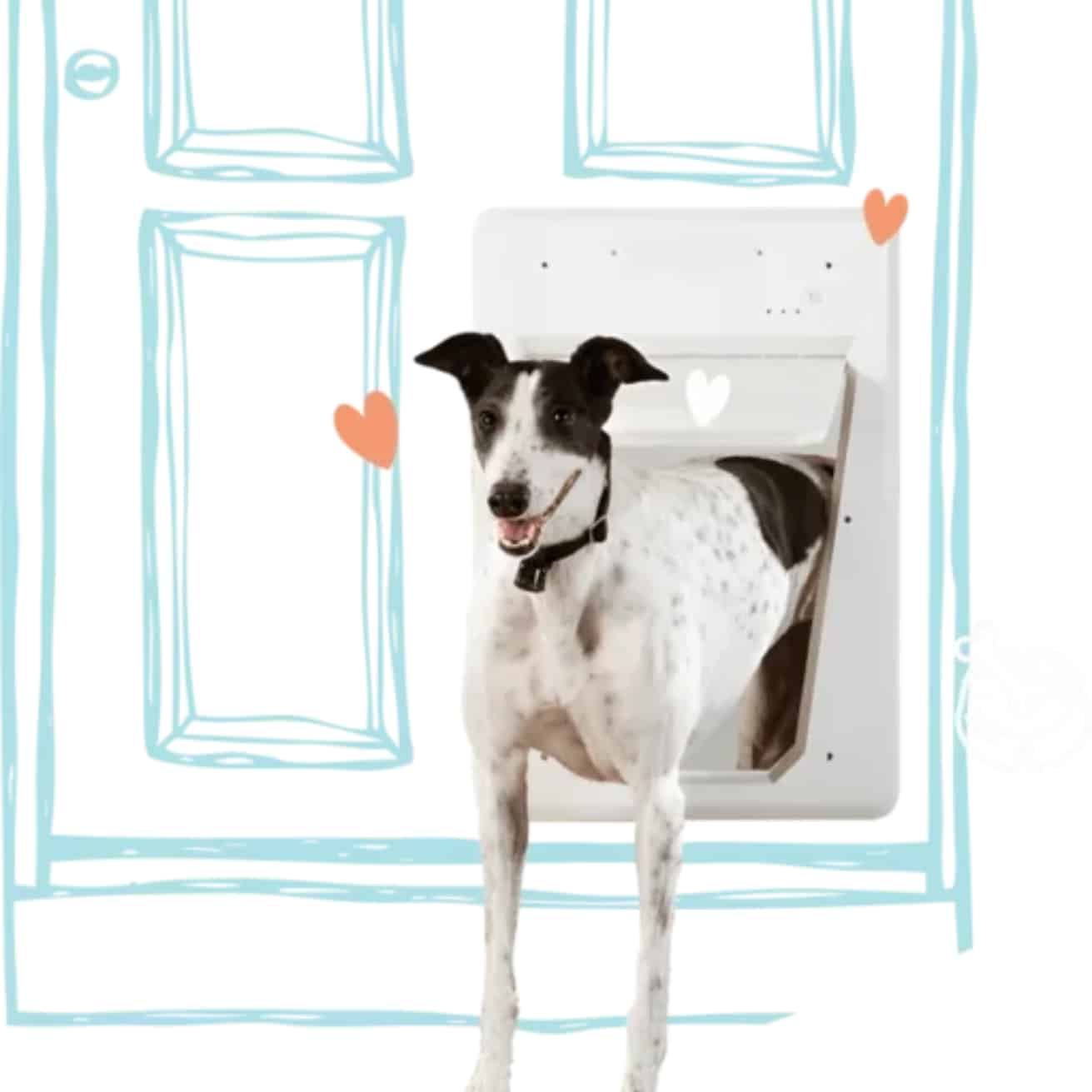
If you’re thinking about getting a dog door or you’ve already got one, you’ve probably wondered whether it’s a bit of a security risk. Totally fair question – you want your furry mate to wander in and out whenever they fancy, but you don’t want to leave your home vulnerable, right?
The good news? Dog doors can be perfectly safe and secure when you’re smart about how you install them, what size you get, and where you stick them. Let’s have a yarn about everything you need to know to keep both your pup and your home protected.
The Reality of Dog Door Security
You see, a dodgy installed dog door or one that’s in the wrong spot could be a bit of a weak point. But here’s the thing: with the right approach, your dog door can be just as secure as any other door or window. It’s all about being smart and making good choices.
Recent crime stats show burglaries are on the up in Victoria, so heaps of Aussie homeowners are having a proper look at their security game.
Recent crime stats show that home burglaries are going up in Victoria, which means more and more Aussie homeowners are taking a good, hard look at their security setup. But that doesn’t mean you need to ditch the convenience of a pet door. You just need to be smart about it.
Choosing the Right Size: Bigger Isn’t Always Better
One of the biggest mistakes (pun intended) that dog owners make is going too large with their dog door installation installation. We get it – you don’t want your beloved Border Collie or Cattle Dog bumping their head every time they duck through. But an oversized dog door is essentially an invitation for would-be intruders.
Here’s how to get the sizing spot-on: Stand your dog up straight on all fours and measure from the ground to the highest point of their back or shoulders. Add about 2.5cm to that measurement to give them a comfortable clearance. This ensures they won’t snag their collar or scrape their back, while keeping the opening as small as possible for security purposes.
If you’ve got multiple dogs of different sizes, go with a size that suits your biggest dog – but again, no bigger than necessary. Your smaller dogs will manage just fine with a bit of extra room, and you’ll sleep better knowing you haven’t created an unnecessarily large access point.
Location, Location, Location
When it comes to dog door installation, where you put it matters just as much as the door itself. Think like a burglar for a moment (bear with us here). If you could see a dog door from the street or a nearby laneway, wouldn’t that catch your attention? Out of sight, out of mind is the name of the game.
The best spots for dog door installation are:
Backyard-facing walls that aren’t visible from the street or neighbouring properties. This makes your dog door far less obvious to anyone scoping out potential targets.
Laundry rooms or mudrooms that have a lockable door between them and the main living areas of your home. Even if someone did manage to get through the dog door, they’d hit another barrier before accessing your valuables.
Side walls that are protected by secure fencing and gates. Just make sure those gates are locked when you’re out or asleep.
Here’s a pro tip that many homeowners don’t consider: installing your dog door in a wall is significantly more secure than installing it in a regular door. Why? Because a dog door in a standard door gives intruders potential access to door locks and handles. They might not be able to squeeze through the pet door themselves, but they could potentially reach through and unlock your door from the inside. Not ideal, right?
For dog door installation in Melbourne, where we’ve got a mix of weatherboard, brick veneer, and double-brick homes, wall installation is definitely achievable. Depending on your wall type, you might be able to tackle it as a DIY job if you’re handy, or you can bring in a professional to ensure it’s done properly. For brick or complex installations, getting a licensed tradie is probably your best bet.
Lock It Up: The Power of Lockable Dog Doors
This one’s a no-brainer, but you’d be surprised how many people overlook it. A lockable dog door is one of your best defences against unwanted visitors – both the two-legged and four-legged variety (we’re looking at you, neighbourhood cats and cheeky possums).
Modern dog doors come with various locking mechanisms:
Manual locks with sliding panels or latches that you can engage when you’re out or overnight. They’re simple, effective, and give you complete control.
Microchip-activated doors that only open for your registered pets. These are brilliant for households in suburban Melbourne or regional Victoria where wandering wildlife can be an issue. They’re also fantastic for keeping out neighbourhood pets who might fancy helping themselves to your dog’s dinner.
Smart locks that can be operated through smartphone apps, giving you the ability to lock and unlock your dog door remotely. Great for when you are running late to work and want to ensure your dog stays inside until you return home.
Okay, a determined thief with the right tools and enough time might be able to get past a locked dog door. But here’s the thing: burglars are looking for easy scores. They want to get in and out quickly without making a sound. A locked dog door creates an obstacle that requires effort and makes noise – both excellent deterrents.
Complementary Security Measures
Your dog door shouldn’t be your only line of defence. Think of home security like layers of an onion (or a good pavlova, if you prefer). The more layers you have, the better protected you are.
Upgrade your locks. Deadbolts on your external doors and quality locks on your windows make a huge difference. If someone’s already gone to the trouble of getting through your dog door, you don’t want them to then find an easy-to-pick lock on your laundry door.
Install sensor lights. Motion-activated lights around your dog door and other entry points are worth their weight in gold. They startle would-be intruders and alert you to movement around your home. Plus, they’re handy for those late-night trips to let the dog out for a wee.
Consider security cameras. These days, decent security cameras are more affordable than ever. Position one with a view of your dog door area. Many burglars will move on to an easier target when they spot cameras. And if the worst does happen, you’ll have footage to provide to the police.
Get to know your neighbours. This is classic Aussie neighbourly behaviour, but it works. Neighbours who look out for each other and notice unusual activity are one of the best security systems around. Plus, they can keep an eye on your place when you’re away and might even pop over to give your dog a pat.
Dog Door Installation in Melbourne: What to Consider
If you’re planning dog door installation in Melbourne, there are a few local considerations to keep in mind. Melbourne’s weather can be pretty unpredictable (four seasons in one day), so you want a quality door that can handle our cold winters, hot summers, and everything in between.
Look for dog doors with good insulation and weatherproofing. A draughty dog door isn’t just uncomfortable for your home – it’ll send your energy bills through the roof. Many modern dog doors come with double flaps, magnetic seals, and insulated frames that maintain your home’s temperature regulation.
Also, consider your home’s style and construction. Melbourne has everything from Victorian-era terraces in the inner suburbs to modern builds in the outer areas, and brick veneers across the middle and regional towns. The type of installation you require may differ depending on your home’s type of construction, so it is a good idea to seek professional advice if you are unsure.
The Bottom Line
Are dog doors safe? Absolutely – if you approach them with consideration. By choosing the right size, selecting a secure location, opting for a lockable model, and backing it up with solid general home security measures, you can give your four-legged family member the freedom they love without compromising your peace of mind.
Remember, professional dog door installation doesn’t have to break the bank, and it’s worth doing it right the first time. Whether you’re in Melbourne’s suburbs or out in regional Victoria, there are plenty of quality options available that balance convenience, pet comfort, and security.
At the end of the day, your dog brings you heaps of joy, great company, and yeah, probably the odd muddy paw print on your freshly mopped floors. They deserve the freedom to wander in and out safely, and you deserve to feel secure at home. With a bit of planning and the right setup, you can totally have both.
Stay safe out there, and give your pup a pat from us!
FAQs
Do dog doors compromise your home’s security?
If installed correctly, dog doors are very safe for homes. Use the right size, install it out of sight from the street, select a lockable version, and accompany it with excellent security features such as sensor lights and quality locks. Smart placement and quality products are the key to success.
Can someone break into a house through a dog door?
Potentially, if it’s oversized or poorly positioned. That’s why you should buy the smallest door your dog needs, install it in a wall rather than a door, and place it somewhere not visible from the street. A lockable door adds extra protection.
Do dog doors allow other animals to enter the home?
They can, but microchip-activated doors solve this problem beautifully. These clever doors only open for your registered pets, keeping out neighbourhood cats, possums, and other uninvited visitors. Manual locks work too when your dog’s inside.
Are dog doors safe for children?
Generally yes, but supervise young kids initially. Teach them the dog door is for pets only. Most quality dog doors have flaps that are tricky for toddlers to navigate. Choose an appropriately sized door and install it where you can monitor it easily.
Is it safe to install a dog door in a glass door?
It’s possible but not ideal security-wise. Glass is easier to break than brick or timber walls. If you have to install a glass door, opt for toughened glass, make the door smaller, and install other security features such as cameras and sensor lights around the area.
Do dog doors impact home insulation or energy efficiency?
Budget models can be draughty, but quality dog doors with double flaps, magnetic seals, and insulated frames minimise heat loss. In Melbourne’s changeable weather, a dollar spent on a quality-insulated door will pay for itself in reduced energy costs.
Is a microchip pet door your best option for keeping things secure at home?
Microchip dog doors will only open for your registered pets, which means they keep out unwanted animals and stop anyone from sneaking in through the dog door. Smart dog doors allow you to lock them using your smartphone app. They’re pricier but offer excellent security and peace of mind.
Can dog doors be locked at night?
Most definitely, and you should! Quality dog doors come with manual locks, sliding panels, or electronic locks. Lock it when you’re out or overnight for extra security. It’s an easy-to-form habit and will greatly improve the safety of your home.
Is professional dog door installation safer than doing it yourself?
For wall installations, particularly in brick or hard-to-reach areas, professionals will see to it that the weather-tight seal and structural integrity are maintained.
Are dog doors appropriate for all dog sizes?
There is a dog door for every dog size, from the smallest Chihuahua to the largest breeds. Measure your dog properly and choose accordingly. Extra-large doors exist for big breeds, but remember: only go as large as necessary to maintain security without compromising your dog’s comfort.
Microchip dog doors open only for registered pets, keeping out unwanted animals and preventing unauthorised entry. Many smart models allow locking via smartphone apps. They are more expensive but provide excellent security and peace of mind.”