Aussie Pet Doors

About Aussie Pet Doors

This author has not yet filled in any details.
So far Aussie Pet Doors has created 18 blog entries.
31 08, 2026

7 Essential Rules Every Owner Should Know

By |2026-08-31T16:07:34+10:00August 31st, 2026|Categories: Dog Door|Tags: , , |

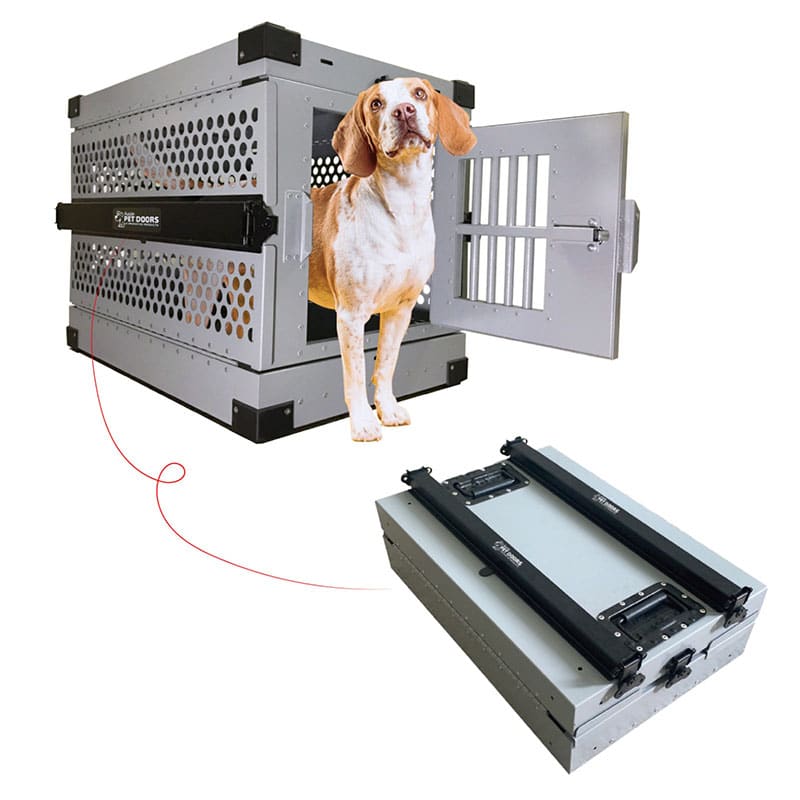
Excerpt: A dog crate is safest when it suits your dog's size, is checked before every use and is introduced without pressure. This practical guide covers seven essential rules, including ventilation, secure doors, interior inspections, positive crate training, travel preparation and choosing a durable collapsible model for home, camping or vehicle journeys. A crate should feel like a safe, comfortable space, like home for your dog; it is not a place to be forced. Introduce it slowly and use it when travelling or to train them at home. The Seven-Rule Safety Checklist Choose the correct size Your dog must be able to stand, turn around, lie down, stretch and change position without hitting the walls. Check ventilation The crate should have good airflow and never be covered in a way that blocks air. Check the locks Before settling your dog, check the door lock by giving it a gentle push. If it feels loose, repair or replace it. Check inside the crate Give it a quick look before your dog goes in. If there are loose wires, broken clips, sharp or damaged parts, remove them; that could harm your dog. Introduce it gradually Leave the door open, add familiar bedding and let them explore voluntarily. Respect your dog's limits Provide toilet breaks, water, exercise and interaction. A crate is not intended to be used as punishment or restricted space for your dog. Secure it during travel Prevent the crate from sliding, rolling or shifting inside the vehicle. Never leave your dog unattended in a hot car. Dogs do not get automatically comfortable in crates. A positive environment must be built to help them adapt. Some dogs may do better with a gated room or playpen instead.   Where Can I Buy Durable Metal Dog Crates? Start with local pet retailers, specialist pet suppliers and Australian manufacturers, then verify dimensions, lock quality and delivery to your postcode. What To Check Before Buying? Inspect the crate's frame, doors, locks, and base before buying. Check both inside and outside dimensions. Ask whether replacement trays, dividers or hardware are available. Check whether the crate is suitable for home use, vehicle travel or both. Avoid choosing a model based on appearance alone; your dog's size, strength and behaviour matter more. A durable crate should feel stable when assembled. Doors of the crate should close smoothly, and it should not have any sharp edges or loose parts which could harm your dog. Can I Get A Dog Crate With Built-In Storage Compartments? Dog crates can have compartments or shelves which can reduce the space and add more weight to it. So choose a crate that is compact and can store leads, bedding and travel supplies. Storage-Friendly Alternatives A collapsible dog crate can be useful when space is limited because it folds away between uses. This is ...

19 08, 2026

Insert vs In-Glass: What’s the Best Pet Door for a Sliding Glass Door?

By |2026-08-19T13:51:57+10:00August 19th, 2026|Categories: sliding door pet door|Tags: , , , |

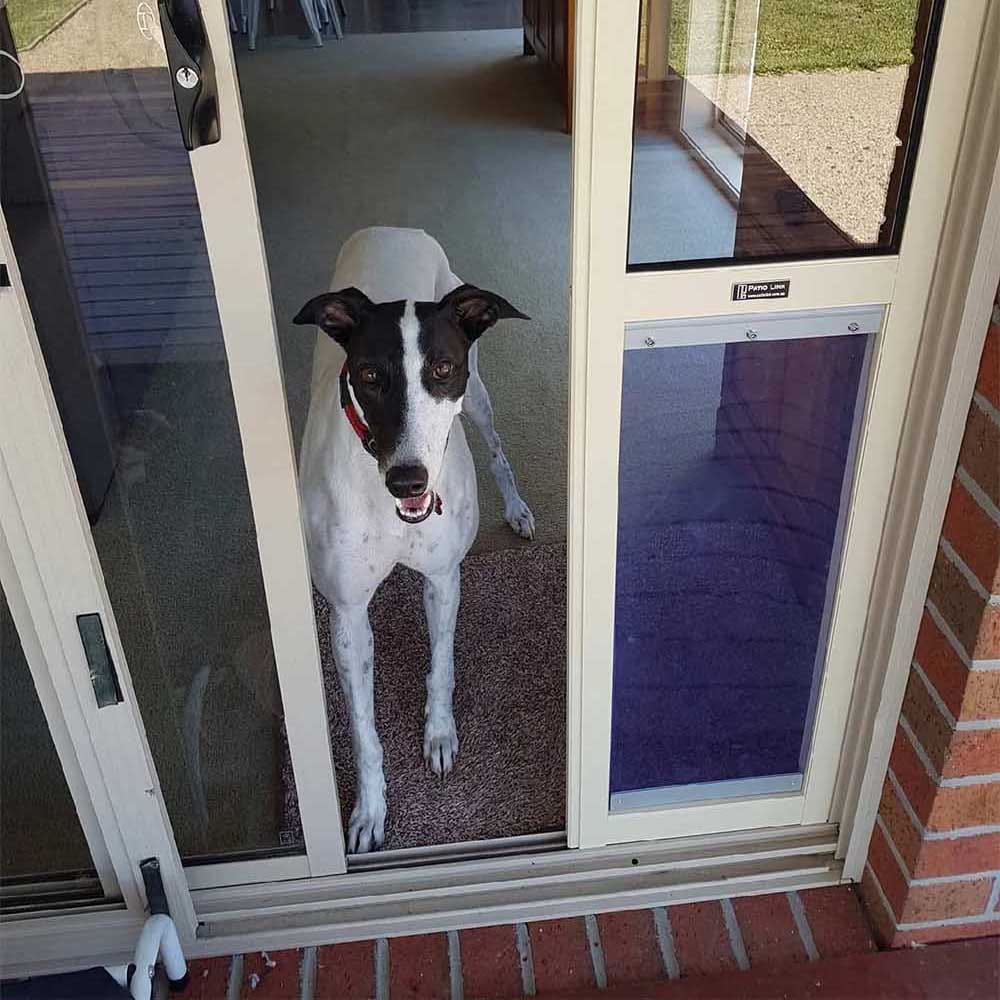
Excerpt: The best pet door for a sliding glass door depends on your long-term plans, property and budget. Inserts offer easy, damage-free installation, perfect for rental homes, while permanent In-Glass installations provide long-term, durable performance for homeowners. If you have a sliding glass door and a pet who wants in-and-out privileges on demand, you might have come across two options: a removable insert that slots into the existing track, or an in-glass pet door installed directly into a glass pane. Both get the job done, but they suit very different homes, budgets, and long-term plans. At Aussie Pet Doors, we're often asked which option is better. Honestly, it depends on your home — whether you're renting, how long you plan to stay, and how much you care about your home's security and insulation. Once you understand these alternatives, you can choose the right pet door. In this guide, we'll help you choose the right pet door for a sliding glass door setup. Insert vs In-Glass: The Core Difference Both pet door sliding-door solutions have distinct fundamental features.          Insert Pet Door           In-Glass Pet Door What it is A separate framed panel with a built-in flap A flap built or notched into a glass pane How it fits Slots into the existing track alongside the original glass Replaces the existing glass pane Modification Nothing is cut or permanently altered Glass is replaced Becomes part of the door? No — sits alongside it, fully removable Yes — becomes a permanent part of the door Insert Installation Requirements Inserts are easier to install, but there are a few requirements that need to be taken care of: Compatibility: Accurate width and height measurements ensure a perfect fit for aluminium and uPVC track. Adequate track depth: Some older, narrower track depths don't hold an insert securely, affecting the seal. Height range: Most inserts are adjustable to fit openings around 1.8m–2.4m tall; unusual sizes may require a custom panel. A level sill: The sill insert relies on compression rather than fixing, so an uneven sill can affect the fit. No structural work: No cutting, drilling, or glass replacement is required — making inserts a perfect choice for renters looking for an easy pet door sliding-door installation. In-Glass Installation Process In-glass installation is not a DIY project. It includes: Assessment: The installer measures the panel and inspects the frames and rollers. Glass removal: The old glass panel is replaced with a new pane featuring a built-in flap. Reinstallation: The finished panel is reinstalled in the original frame and tested for smoother glide and proper sealing. Final checks: Rollers, seals, and the flap mechanism are confirmed to be working properly. Cost Comparison              Insert Pet Door           In-Glass Pet Door Upfront ...

8 07, 2026

5 Hidden Risks of DIY Pet Door Installation (And When to Call the Pros)

By |2026-07-08T17:14:57+10:00July 8th, 2026|Categories: Blog, installing a pet dor|Tags: , , , |

Planning a DIY pet door installation? Cutting into glass, security screens, and walls carries severe risks – from shattered panels to security vulnerabilities. In this guide, we break down the five hidden dangers of DIY pet door projects and explain exactly when it’s time to call in professional pet door installers   Installing a pet door gives your pet the freedom to move around as they want, saves you time from doorman duty, and helps reduce accidents on rugs – keeping your furry family member active. This is why many Australian pet owners decide to install pet doors.   And browsing through the options, a common question pops up: “How tough is it to do it by myself?”   Some installations, such as a basic flap on a hollow-core timber door, can be done by a DIYer without risk. But in cases like installing a pet door for sliding glass doors, security screens, or brick walls, DIY can carry many hidden risks that can cost you more than a professional job ever would.   Here are the five risks that can rarely make it in the instruction manual:   Risk 1: Structural Damage to Your Door, Glass, or Wall One of the most common mistakes homeowners make is underestimating the installation project and forgetting how unforgiving building materials can be. Timber Door Installation Cutting in timber sounds pretty easy, until you nick a structural edge, split the veneer, or create a hole that’s slightly too large or misaligned – then you are not just buying a flap, but rather a new house door. Glass Door Installation Glass doors are far more dangerous than timber door installations – they should be handled strictly by professionals. The standard Australian glass doors and windows are made from toughened glass that complies with the Australian standards AS1288. You cannot drill or score this glass; it will shatter. Safely integrating a pet door for sliding glass door setups requires either a full glass replacement with a pre-cut glass panel or a trained glazier with the right tools. Wall Installations Wall installations are more like a minefield. The pet door installation must be done without damaging electrical wires, pipelines, or wall studs – or a simple installation might cause severe damage costing thousands of dollars. Certified pet door installers understand the specifications and carry the required equipment to identify these hazards before starting installation. Hiring a professional is not only about installation; they protect your doors and walls from damage, saving you time and money.   Risk 2: Security Vulnerabilities You Didn’t Plan For A poorly placed pet door can compromise the security and safety of your property. For example, the most common mistake is placing the pet door too close to the door handle or deadbolt, which can allow someone to reach through and unlock ...

18 05, 2026

Cost of Installing a Pet Door in Australia (2026 Guide)

By |2026-07-08T14:07:59+10:00May 18th, 2026|Categories: Blog, installing a pet door|Tags: , , |

Well, we know that playing doorman for your dog or cat gets old pretty quickly. Whether it’s the 6am scratching, the mud-covered paws leaving prints across your freshly mopped floor, or just the constant back-and-forth every time your furry mate wants a lap around the backyard, a pet door is one of those investments that pays for itself almost immediately. In pure sanity saved, if nothing else.     But how much does it actually cost to get one fitted in 2026? The answer, like most things in life, is: it depends. Let’s break it all down for you – from basic flap doors to the trickier business of fitting a pet door in glass door panels – so you can go in with realistic expectations and no nasty surprises.     What’s the Typical Price Range?   For most Australian homes, you’re looking at somewhere between $120 and $550 all up – that’s the pet door unit itself plus the cost of having it professionally installed.   For pet doors in Melbourne specifically, prices tend to sit toward the higher end of that range. That’s not unique to Melbourne – it’s pretty standard across major cities where tradie rates and demand for skilled installers is higher. Regional Victorian towns can sometimes come in a touch cheaper, but don’t bank on a huge difference.   The overall cost depends on a few key things:   ● The type of pet door you choose ● The size of your pet (and therefore the size of the door) ● The material you’re installing into – timber, aluminium, or glass ● The complexity of the job   Types of Pet Doors and What They’ll Set You Back   Classic Flap Doors ($50–$150 installed)   The humble flap door – a flexible panel that swings open when your pet pushes through. These are the most affordable options and work a treat for cats and smaller dogs. Simple to fit into timber or aluminium doors, and you can often grab a decent one from a pet accessories shop without breaking the bank.   Sliding Door Inserts ($200–$400)   A brilliant option for renters or anyone who doesn’t want to make permanent changes. These panels slide into the track of your existing sliding door, no cutting required. You pay a bit more upfront, but you can take the whole thing with you when you move. Absolute lifesaver if your landlord is the “no modifications” type.   Door-Mounted Pet Doors ($50–$250)   These go directly into a standard timber or aluminium door. Solid, reliable, and available in a good range of sizes. If you’re handy, some of these can be a DIY job – but precision matters. One wrong cut and you’re shopping for a new door, which is a significantly more expensive day than you planned. ...

14 04, 2026

How to Make Your Backyard Safe for Dogs with a Pet Door

By |2026-04-14T19:54:02+10:00April 14th, 2026|Categories: Blog, Dog Door|Tags: , , |

If you’re the owner of a dog, then you must understand the happiness of having a dog running around in your backyard, wagging their tail and smelling everything. However, one important point to note is that although a backyard might seem very secure to you, it can pose many dangers to your canine friend. Therefore, you need to ensure the outdoor area is as safe as possible.   At Aussie Pet Doors, we’re all about helping Aussie pet owners give their dogs the best of both worlds – independence and safety. So, whether you’ve already had a dog pet door installed or you’re thinking about making the switch, this guide will walk you through everything you need to know to set up a backyard your pup can enjoy safely, every single day. Why Backyard Safety Matters Even More When You Have a Pet Door   A pet door is one of the best things you can give your dog – freedom, fresh air, and the ability to head outside without waiting for you to open the back door. But that independence also means your dog could be spending time in the backyard unsupervised. That’s not a problem in itself, but it does mean you need to be confident that your outdoor space is genuinely safe.   The risks of pet doors for dogs are generally quite low when everything’s set up well – but if your backyard still has hazards lurking, that freedom can quickly turn into a problem. Think toxic plants, unsecured chemicals, gaps in fencing, or even a pool without a proper barrier. When your dog can get outside on their own terms, those hazards need to be sorted before anything else. Common Backyard Hazards for Dogs in Australia   Let’s start with the basics – what are the things most likely to cause your dog harm in a typical Aussie backyard? Here’s what to watch out for:   1. Toxic Plants   Some of the most common garden favourites are actually toxic to dogs. Azaleas, hydrangeas, daffodils, elephant ears, and anything in the lily family can cause serious harm if ingested. It’s worth doing a quick audit of your garden beds and removing or fencing off anything that could hurt your dog. When in doubt, check with your vet or look up the ASPCA’s list of toxic plants.   2. Chemicals, Pesticides and Fertilisers   Garden sheds are often full of things that are seriously dangerous for dogs – weed killers, fertilisers, snail bait, and pest sprays. Always store these in a secure shed or cabinet that your dog can’t access, and if you’re treating the lawn or garden, keep your pup inside until everything has completely dried. Snail bait in particular is one of the most common causes of dog poisoning in Australia, so be extra ...

26 03, 2026

Ultimate Aussie Guide to Doggy Door Installation: From Timber to Glass

By |2026-04-09T20:06:15+10:00March 26th, 2026|Categories: Uncategorized|Tags: , , |

If you’ve got a dog who bolts to the back door every 10 minutes, you already know the drill. You’re halfway through your morning coffee, the footy’s on, or you’re finally getting to that pile of washing – and there they are, staring at you with those big eyes. Sound familiar? A well-fitted doggy door is one of those home upgrades that makes you wonder how you ever got by without one.   Whether your place is a classic Vic weatherboard, a suburban brick veneer, or a sleek new build with floor-to-ceiling glazing, there’s a solution out there to suit your home and your best mate. This guide walks you through everything you need to know about doggy door installation here in Australia – from choosing the right fit to getting it sorted properly. Why Every Aussie Pup Needs a Reliable Doggy Door To be honest, Aussie dogs are an active, outdoor-loving bunch. Whether you’ve got a boisterous Kelpie, a laid-back Golden, or a cheeky little Jack Russell who thinks he owns the place, giving your dog the freedom to come and go makes a massive difference to their quality of life. Dogs that can access the backyard whenever they like tend to get more exercise, spend less time anxiously pacing indoors, and are generally much better behaved. Less barking, less door-scratching, less furniture destruction. It’s a win all round, really.   Beyond your dog’s happiness, a well-placed doggy door takes a load off your shoulders too. No more interrupting dinner to play doorman, and no more coming home to puddles on the laundry floor because your pup couldn’t hold on any longer. For families with busy routines – school drop-offs, long commutes, shift work – the independence a doggy door provides is genuinely life-changing.   There’s also the practical matter of our climate. Australian summers are no joke, and dogs that can move between the cool of the indoors and the backyard shade at their own pace are far more comfortable during those scorching January arvo heatwaves. Some pet doors even assist with home ventilation, keeping airflow moving through the house without you having to prop open a door and invite in every mozzie in the neighbourhood. The Rise of the Glass Door Doggie Door in Modern Homes These days in Australia, new homes and renovations often feature large sliding glass doors, bi-folds, and floor-to-ceiling glazing. It’s a look that’s clean, bright, and very much on trend – but it does raise a question: what happens when you want to add a doggy door to a glass panel?   The good news is that a glass door doggie door is absolutely achievable, and when it’s done properly, it looks fantastic. The process involves having a glazier manufacture a brand-new glass panel with a pre-cut opening sized specifically for your ...

17 03, 2026

Pet Door Installation in Australia: Finding the Right Fit for Your Furry Mate

By |2026-03-17T18:33:29+11:00March 17th, 2026|Categories: Blog, installing a pet door|Tags: , , , |

If you’re a pet owner in Australia, you already know the drill. Your dog’s scratching at the back door at midnight, your cat’s giving you the silent treatment because they couldn’t get outside, or – worst case – you’ve come home to an “accident” in the hallway that nobody’s happy about. Sound about right?   The simple fix? A good-quality pet door. It gives your furry mate the freedom to come and go as they please, and honestly, it makes your life a whole lot easier too. Whether you’ve got a cheeky tabby in Toorak, a big Labrador out in Ballarat, or a scrappy little terrier in the Yarra Valley, the right pet door – fitted properly – is a game changer. Why Quality Pet Doors Matter for the Aussie Climate   Australian weather doesn’t mess around. In Melbourne, you can get four seasons in a single afternoon. Up in regional Victoria, summers are sweltering and winters can get properly cold. Your pet door needs to handle all of that without becoming a problem of its own.   A cheap or poorly fitted door can let in cold drafts during a Macedon Ranges winter, allow insects to sneak through on a warm summer evening, or quietly push up your energy bills over time. It’s the kind of thing you don’t notice straight away – until you do, and then it’s all you can think about.   Quality pet doors are built with the Australian environment in mind. Double-flap designs offer an extra layer of insulation, UV-resistant materials won’t warp or crack under the summer sun, and solid locking mechanisms keep things secure overnight. Microchip-activated pet doors are also becoming really popular in Aussie homes – they only open for your specific pet, which keeps neighbourhood strays and local wildlife where they belong: outside.   When you pair a well-made product with professional pet door installation, you’re genuinely investing in your home – not just ticking a box. DIY vs Hiring Professional Pet Door Installers: Which is Best?   Look, plenty of Australians are handy around the house, and for a basic job – say, fitting a flap into a hollow-core timber door – a DIY approach can absolutely get the job done. If you’ve got the tools, the time, and a straightforward installation surface, go for it.   But the thing is that a lot of Aussie homes aren’t straightforward. Glass sliding doors, double brick walls, aluminium frames, and stud walls are all pretty common across Victoria, and cutting into any of these incorrectly can cause real damage – and cost you significantly more to repair than professional pet door installers would have charged from the start.   Professional pet door installers know what they’re doing. They’ll size the opening correctly for your pet, choose the right height and position, ...

10 03, 2026

Installing a Dog Door in Glass Doors

By |2026-03-10T21:56:30+11:00March 10th, 2026|Categories: Blog, Dog Door|Tags: , , |

So your dog has figured out that if they stare at you long enough, you’ll eventually get up and open the door for them. Classic. If you’re tired of playing doorman for your four-legged housemate – and honestly, who isn’t – a dog door is the obvious fix. But if your main exit point is a glass sliding door or a big glass panel, you might be scratching your head, wondering how that’s even going to work.   Good news: fitting a dog door in a glass door is absolutely doable. It just works a bit differently from how you’d do it in a timber or aluminium door. Here’s the rundown on what’s actually involved.   Why Glass Is a Different Beast Altogether Here’s the thing about glass doors – you can’t just grab a jigsaw and cut yourself a hole. Most external glass panels in Australian homes, whether you’re in a suburb of Melbourne or somewhere out in the regions, are made from toughened safety glass. That’s the type that shatters into tiny pebbles rather than jagged shards, which is a good thing for safety. But once glass has been through the toughening process, it cannot be cut, drilled, or modified after the fact.   Try it, and the whole panel will shatter.   So the way a proper pet door glass door installation works is this: a brand-new glass panel is custom-ordered with the cut-out already built in, before the glass gets toughened. It sounds like extra steps, but the end result is really tidy – it looks factory-made because, well, it basically is.   Step One: Measure Up (This Part Matters a Lot) Before anything else, you need accurate measurements. A professional glazier will come out to your place, have a look at the existing glass, and measure everything up properly. They’ll confirm the minimum panel dimensions needed to fit the size of pet door you’re after, because you can’t squeeze a Great Dane-sized flap into a panel that’s too small.   They’ll also have a yarn with you about where to put it. A lot of people assume the flap has to go in the main sliding door, but depending on how your home is set up, there might be a fixed side panel or a second glass door that actually makes more sense. A good installer will walk you through your options.   Size matters here too – picking the right dog door for glass door installation is based on your actual dog, not some vague idea of a dog. Measure your pet’s height and width and add a bit of room to spare. You want them walking through comfortably, not sucking it in every time.   Step Two: Ordering the New Panel (Yes, There’s a Wait) Once everything’s sorted – measurements confirmed, pet door ...

27 02, 2026

Are Dog Doors Safe? Security & Safety Tips for Homeowners

By |2026-03-17T16:03:53+11:00February 27th, 2026|Categories: Blog, installing a pet door|Tags: , , , |

If you’re thinking about getting a dog door or you’ve already got one, you’ve probably wondered whether it’s a bit of a security risk. Totally fair question – you want your furry mate to wander in and out whenever they fancy, but you don’t want to leave your home vulnerable, right?   The good news? Dog doors can be perfectly safe and secure when you’re smart about how you install them, what size you get, and where you stick them. Let’s have a yarn about everything you need to know to keep both your pup and your home protected.   The Reality of Dog Door Security You see, a dodgy installed dog door or one that’s in the wrong spot could be a bit of a weak point. But here’s the thing: with the right approach, your dog door can be just as secure as any other door or window. It’s all about being smart and making good choices.   Recent crime stats show burglaries are on the up in Victoria, so heaps of Aussie homeowners are having a proper look at their security game.   Recent crime stats show that home burglaries are going up in Victoria, which means more and more Aussie homeowners are taking a good, hard look at their security setup. But that doesn’t mean you need to ditch the convenience of a pet door. You just need to be smart about it.   Choosing the Right Size: Bigger Isn’t Always Better One of the biggest mistakes (pun intended) that dog owners make is going too large with their dog door installation. We get it – you don’t want your beloved Border Collie or Cattle Dog bumping their head every time they duck through. But an oversized dog door is essentially an invitation for would-be intruders.   Here’s how to get the sizing spot-on: Stand your dog up straight on all fours and measure from the ground to the highest point of their back or shoulders. Add about 2.5cm to that measurement to give them a comfortable clearance. This ensures they won’t snag their collar or scrape their back, while keeping the opening as small as possible for security purposes.   If you’ve got multiple dogs of different sizes, go with a size that suits your biggest dog – but again, no bigger than necessary. Your smaller dogs will manage just fine with a bit of extra room, and you’ll sleep better knowing you haven’t created an unnecessarily large access point.   Location, Location, Location When it comes to dog door installation, where you put it matters just as much as the door itself. Think like a burglar for a moment (bear with us here). If you could see a dog door from the street or a nearby laneway, wouldn’t that catch your attention? Out of ...

18 02, 2026

Dog Door Installation in Melbourne: Costs, Process & FAQs

By |2026-02-18T17:50:39+11:00February 18th, 2026|Categories: Dog Door|Tags: , |

We’ve all been there. You’re finally settled on the couch with a cuppa, and then you hear it – that familiar scratching at the back door. Your dog needs to go out. Again. Five minutes later, they’re back, wanting in. It’s like running a taxi service, except you’re not getting paid and your passenger has four legs and a wagging tail. If this sounds like your life, mate, it might be time to consider getting a dog door installed. And if you’re here in Melbourne, you’re spoilt for choice when it comes to options. Whether you’ve got a little Jack Russell or a big slobbery Labrador, there’s a dog door solution that’ll work for your home. So let’s have a chat about dog door installation in Melbourne – what it’ll cost you, how the whole thing works, and everything else you’ve been wondering about. Why Bother With a Dog Door Anyway? Fair question! I mean, we managed without them for ages, right? But honestly, once you’ve got one, you’ll wonder how you ever lived without it. For your dog, it’s pure freedom. They can duck outside for a wee whenever nature calls, chase a butterfly, lie in a sunny spot, or just have a good old sniff around without having to wait for you to notice them doing the paw dance at the door. For you? Well, it’s basically getting your life back. No more pausing the footy to let Buster out. No more guilt about leaving them inside all day while you’re at work. And if you’ve got one of those dogs who can’t decide whether they want to be in or out (you know the type), a dog door will save your sanity. Plus, heaps of dogs get anxious being stuck inside all day. A dog door gives them that bit of independence they crave. Everyone’s happier. Job done. What’s Dog Door Installation Going to Cost Me? Right, let’s talk dollars and cents, because that’s probably why you’re here. The honest answer? It depends. But I’ll give you some ballpark figures so you’re not going in blind. If you’re looking at a basic dog door installation in a standard timber door – like your back door or laundry door – you’re probably looking at somewhere between $150 and $400, all in. That covers the door itself and someone to come round and fit it properly. If you’re the handy type and reckon you can do it yourself with a jigsaw and a bit of patience, you might save a bit on labour. Now, if you want to get fancy – or if your home needs something more complex – things change a bit. Getting a dog door installed in a glass sliding door? That’s a different kettle of fish. You’re looking at $300 to $600 or more because ...

Go to Top