
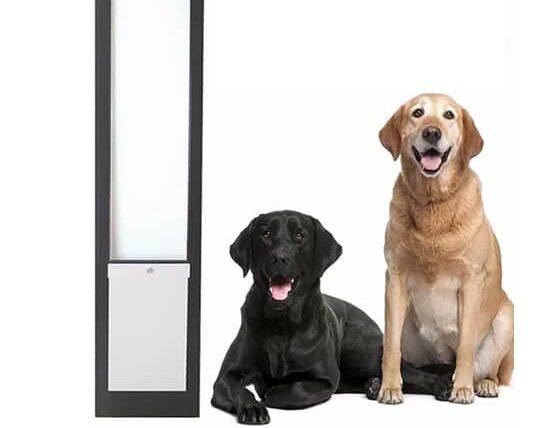
Just imagine you have settled on the couch with a cuppa, and suddenly your furry mate is pawing at the sliding door, wanting to go out. Five minutes later, he wants to be in. At times, attending to these daily routines of pets can get irritating, especially after a tiring day.
That is where a dog door for sliding door setups comes in handy. It can be construed as a game changer for pet owners, and if you are thinking about getting one, you have come to the right place.
Why Install a Pet Door for Sliding Glass Door?
Sliding doors are everywhere in Australian homes – opening out to the backyard, patio, deck, or pool area. They are perfect for our indoor-outdoor lifestyle, and adding a pet door for sliding glass door systems means your dog can come and go as he or she pleases without you having to jump up every two minutes.
A dog door for sliding doors can easily integrate right into your existing sliding door setup, without disturbing your home’s layout, while giving your pets the freedom that they crave and deserve.
But here is the thing – not all dog doors are created equal. A quality one should tick a few important boxes. It needs to fit securely into your door track, seal properly against our unpredictable weather, accommodate your dog’s size comfortably, lock up tight for security, and be tough enough to handle daily usage. Yes, and it should look decent too, since you are going to be looking at it every day.
Getting the Size Spot On
Now, let us talk about the biggest mistake people make when buying a dog door – getting the wrong size. Too many pet owners underestimate how much room their dog actually needs.
If your dog has to crouch down, squeeze through sideways, or scrape his/her back every time while using the door, you are expected to give your pet long-term problems. This is especially true for older dogs or breeds that are suffering from joint issues like hip dysplasia. A large doggy door for sliding door installations might seem excessive, but it is better to go for a size bigger than smaller.
Here is how to measure the desired size of your dog door properly. First, measure your dog’s shoulder width and add a few extra centimetres for comfort. They shouldn’t have to turn sideways to fit through. Next, measure from the floor to the top of their back when they are standing naturally – not stretched up or crouched down. The step-over height is crucial too. The bottom of the flap shouldn’t sit higher than about one-third of your dog’s shoulder height; otherwise, your pet will have to struggle to go outside.
Also, check the manufacturer’s weight limits. A flimsy door won’t hold up to a big dog pushing through it multiple times a day.
Got a growing puppy? Size up. Have multiple pets? Choose a large doggy door for sliding door setups that fits your biggest animal, even if that means your little Chihuahua gets a grand entrance fit for a Labrador.
Security Matters
Nobody wants to install a dog door only to realise it has created an easy entry point for the unwanted visitors. Here we are not just talking about the neighbour’s cat, though that can be a concern too.
A decent dog door should have lockable panels so you can control access when you need to – like when you are away or at night. Multi-point locking for the slider panel is essential. You should go for heavy-duty frame construction that can’t be easily forced open, and if you are keen, you can go for models which offer keyed or digital locking upgrades.
Electronic microchip installed dog doors are great in terms of security. They only unlock when they detect your registered pet’s microchip, which means stray animals, and yes, that sneaky neighbour’s cat can’t just waltz into your house.
Weather-Sealing and Energy Efficiency
Scorching 40-degree summers, howling coastal winds, freezing winter mornings down south –Australia has it all. So a poorly sealed pet door for sliding glass door systems in Australia’s weather can drive your power bills through the roof, and let in dust, rain, and every bug in the neighbourhood.
You may want a door with proper weatherproof brush or rubber seals, draft-block flaps or double-flap insulation for those cold snaps, and UV-resistant materials that won’t crack and fade under the harsh Aussie sun. The frame needs to fit tightly to prevent rattling and heat exchange.
If you live in a windy area or in a part of the country that gets properly cold, don’t cut corners on weather-sealing. A well-sealed door pays for itself in terms of comfort and energy savings. You will notice the difference on your electricity bill.
Use Durable Materials
For Australia’s climate, you need materials for your dog door that are built to last. Look for powder-coated aluminium frames that won’t rust or corrode, UV-treated polycarbonate flaps that can handle our intense sun, chew-resistant construction if you have got a puppy with destructive tendencies, and corrosion-resistant fittings if you are near the coast.
Remember, your dog will be using this door multiple times every single day. Durability isn’t just nice to have – it’s essential.
Got Multiple Pets? No Worries
If you have a household with both cats and dogs, or several dogs of different sizes, choose a door that works for each one of them. You might need a medium-sized flap even if one pet is small, microchip or magnetic access if you want selective entry for certain pets, and locking controls to restrict usage when needed.
Honestly, a single versatile setup is almost always better than trying to install two separate small doors. Keep it simple.
Cleaning and Maintenance
Dog doors get filthy. Fur, dust, muddy paw prints – it all adds up fast. Choose a door with smooth surfaces that don’t catch dirt easily, has replaceable flaps rather than fixed ones, and simple screw-off or slide-out components that make cleaning easy.
Maintenance of your dog door should take minutes, not your whole weekend.
Extra Features Worth Considering
Modern dog doors have come a long way from basic flaps. Electronic microchip access is highly secure, and magnetic closure flaps keep the door shut during breezy weather. Tinted flaps reduce heat and add privacy; sound-dampened hinges mean quieter operation at night.
If these tech upgrades work for your home and budget, go for them.
Canine Freedom
Installing a pet door for sliding glass door systems is more than just a home improvement. It can lead to greater independence for your dog and convenience for you. With the right size, solid weatherproofing, security features, and quality construction, these doors can open the door to a better life for you and your pets.
Your dog will probably thank you, and you will thank yourself when you are no longer playing doorman. That’s a win-win situation.