
Your Ultimate Guide to Choosing a Dog Door for Sliding Doors
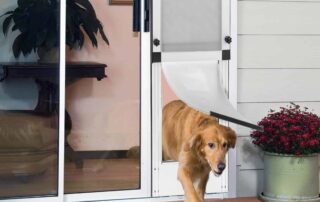
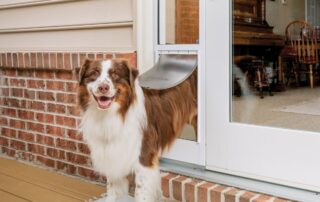
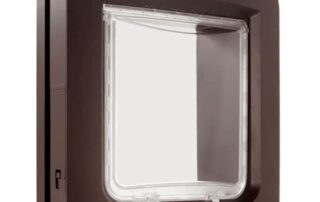
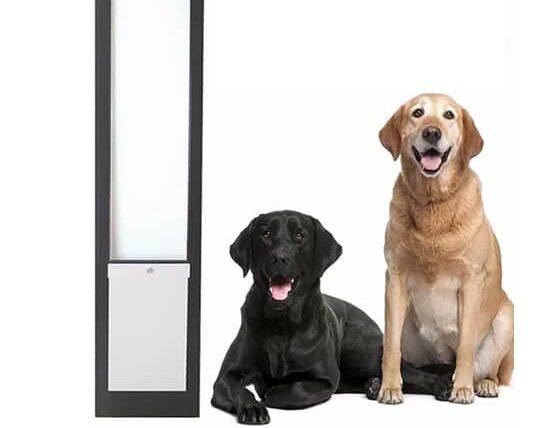
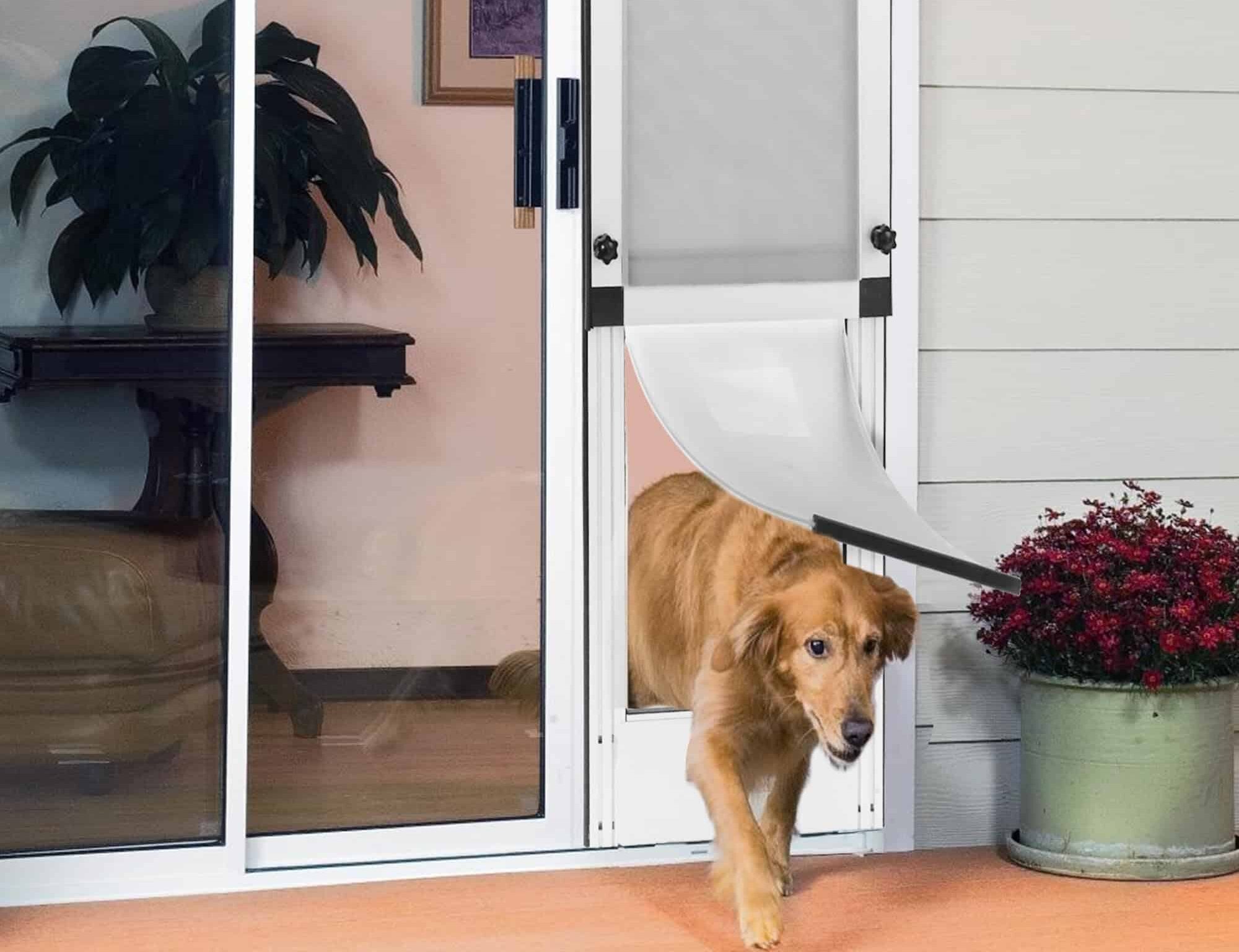
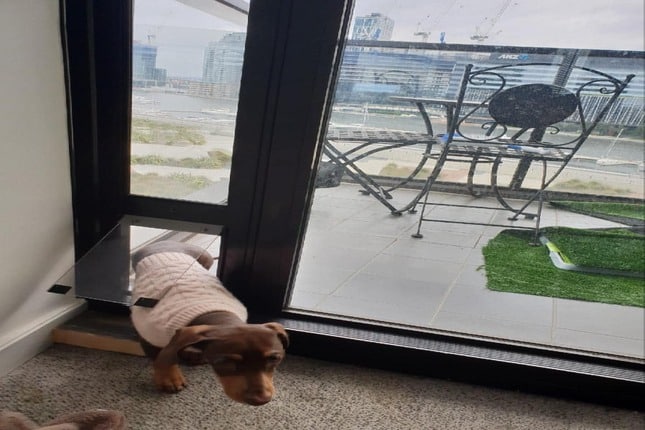
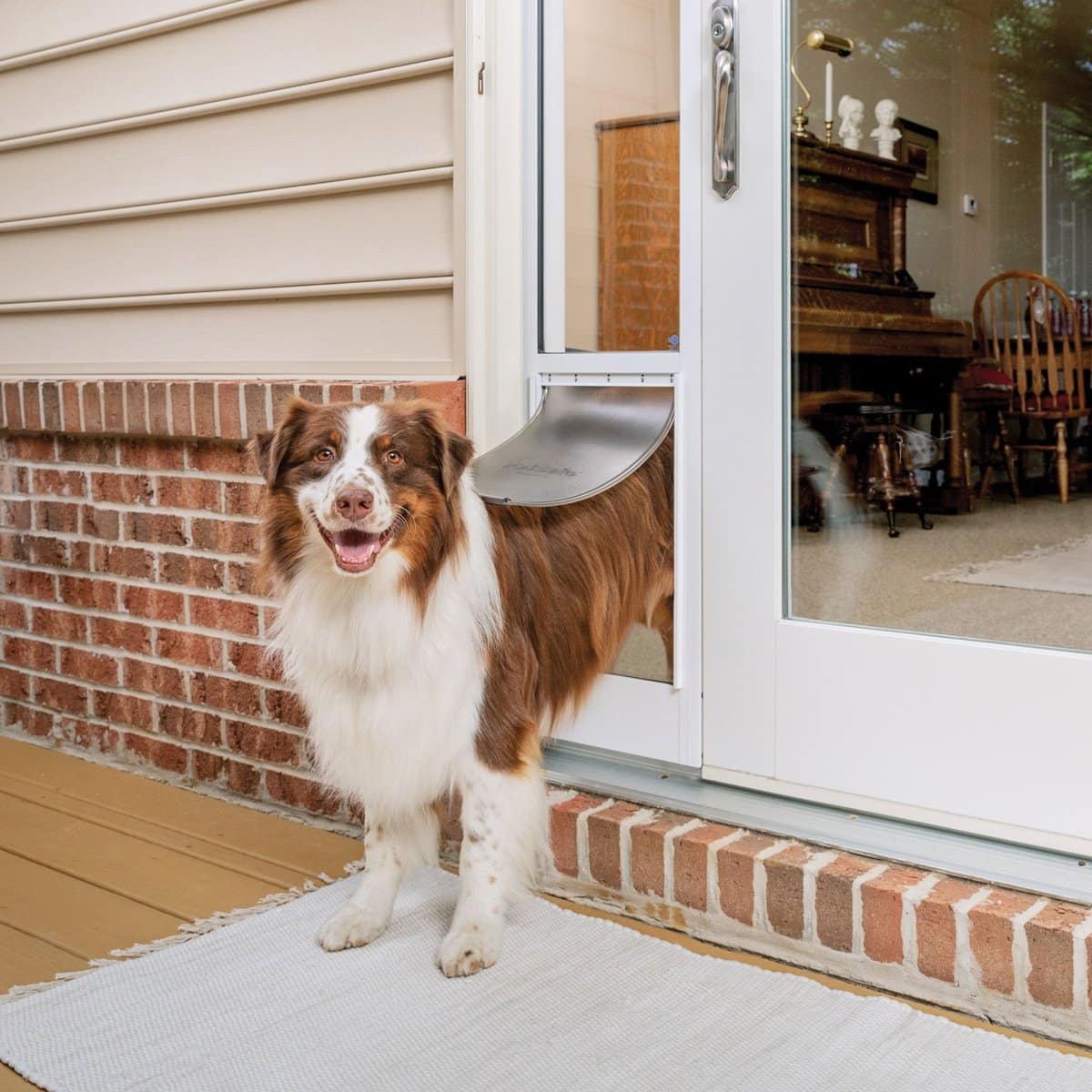
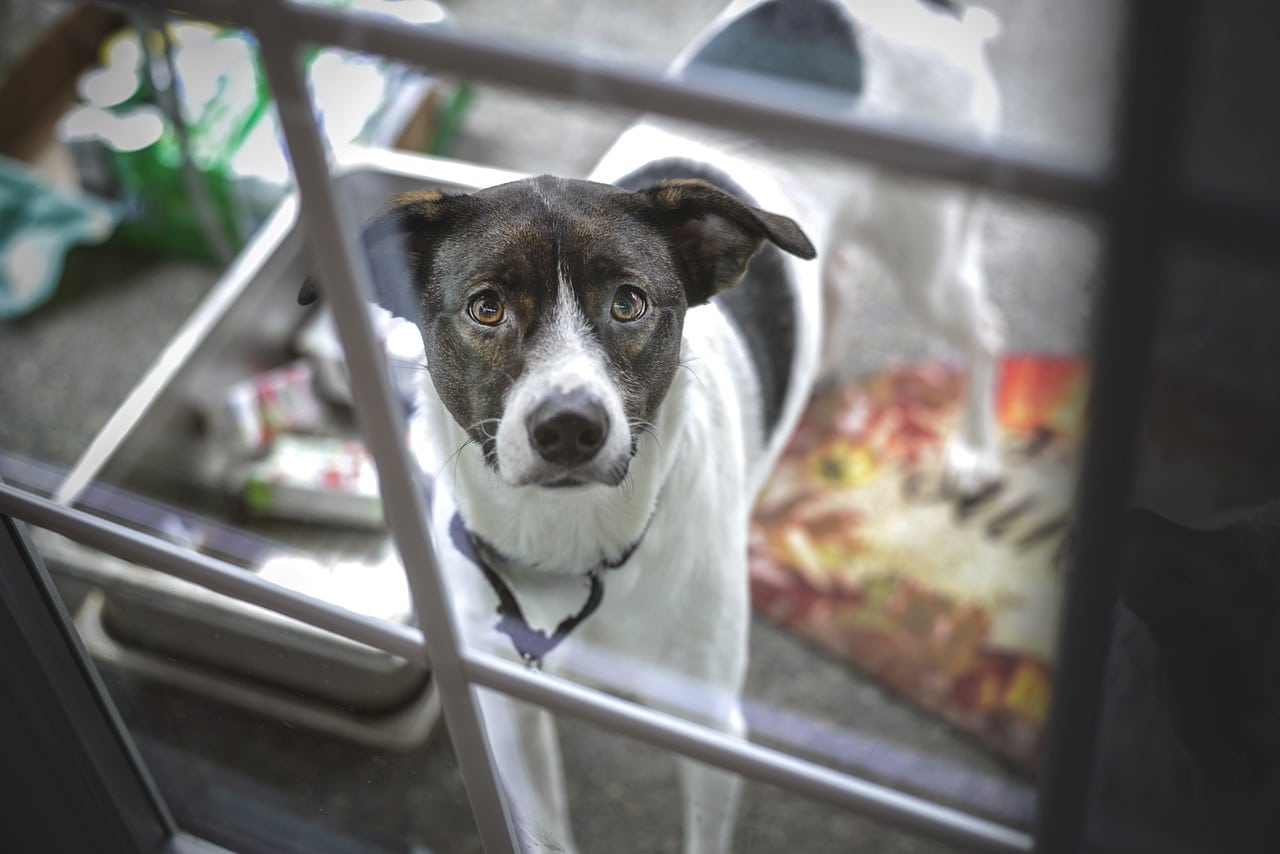
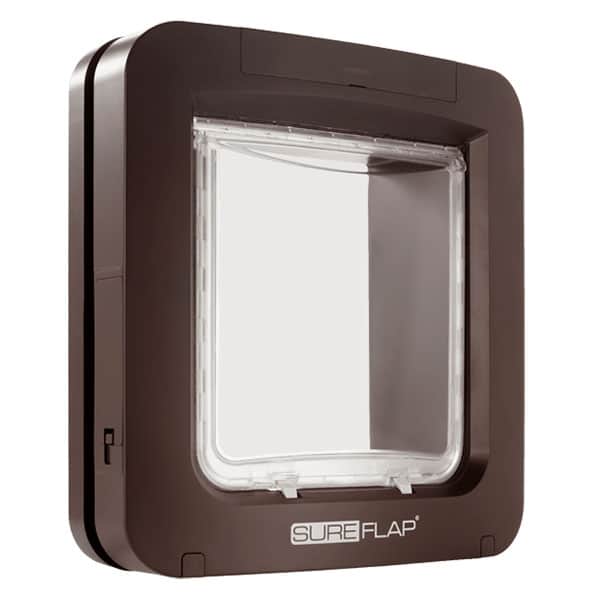
Just imagine you have settled on the couch with a cuppa, and suddenly your furry mate is pawing at the sliding door, wanting to go out. Five minutes later, he wants to be in. At times, attending to these daily routines of pets can get irritating, especially after a tiring day. That is where a dog door for sliding door setups comes in handy. It can be construed as a game changer for pet owners, and if you are thinking about getting one, you have come to the right place. Why Install a Pet Door for Sliding Glass Door? Sliding doors are everywhere in Australian homes – opening out to the backyard, patio, deck, or pool area. They are perfect for our indoor-outdoor lifestyle, and adding a pet door for sliding glass door systems means your dog can come and go as he or she pleases without you having to jump up every two minutes. A dog door for sliding doors can easily integrate right into your existing sliding door setup, without disturbing your home’s layout, while giving your pets the freedom that they crave and deserve. But here is the thing – not all dog doors are created equal. A quality one should tick a few important boxes. It needs to fit securely into your door track, seal properly against our unpredictable weather, accommodate your dog’s size comfortably, lock up tight for security, and be tough enough to handle daily usage. Yes, and it should look decent too, since you are going to be looking at it every day. Getting the Size Spot On Now, let us talk about the biggest mistake people make when buying a dog door – getting the wrong size. Too many pet owners underestimate how much room their dog actually needs. If your dog has to crouch down, squeeze through sideways, or scrape his/her back every time while using the door, you are expected to give your pet long-term problems. This is especially true for older dogs or breeds that are suffering from joint issues like hip dysplasia. A large doggy door for sliding door installations might seem excessive, but it is better to go for a size bigger than smaller. Here is how to measure the desired size of your dog door properly. First, measure your dog’s shoulder width and add a few extra centimetres for comfort. They shouldn’t have to turn sideways to fit through. Next, measure from the floor to the top of their back when they are standing naturally – not stretched up or crouched down. The step-over height is crucial too. The bottom of the flap shouldn’t sit higher than about one-third of your dog’s shoulder height; otherwise, your pet will have to struggle to go outside. Also, check the manufacturer’s weight limits. ...